Human Questions in the Face of Cancer and Disease
A reflection on how a life-threatening illness can reshape our understanding of mortality, relationships, and what truly matters in life.
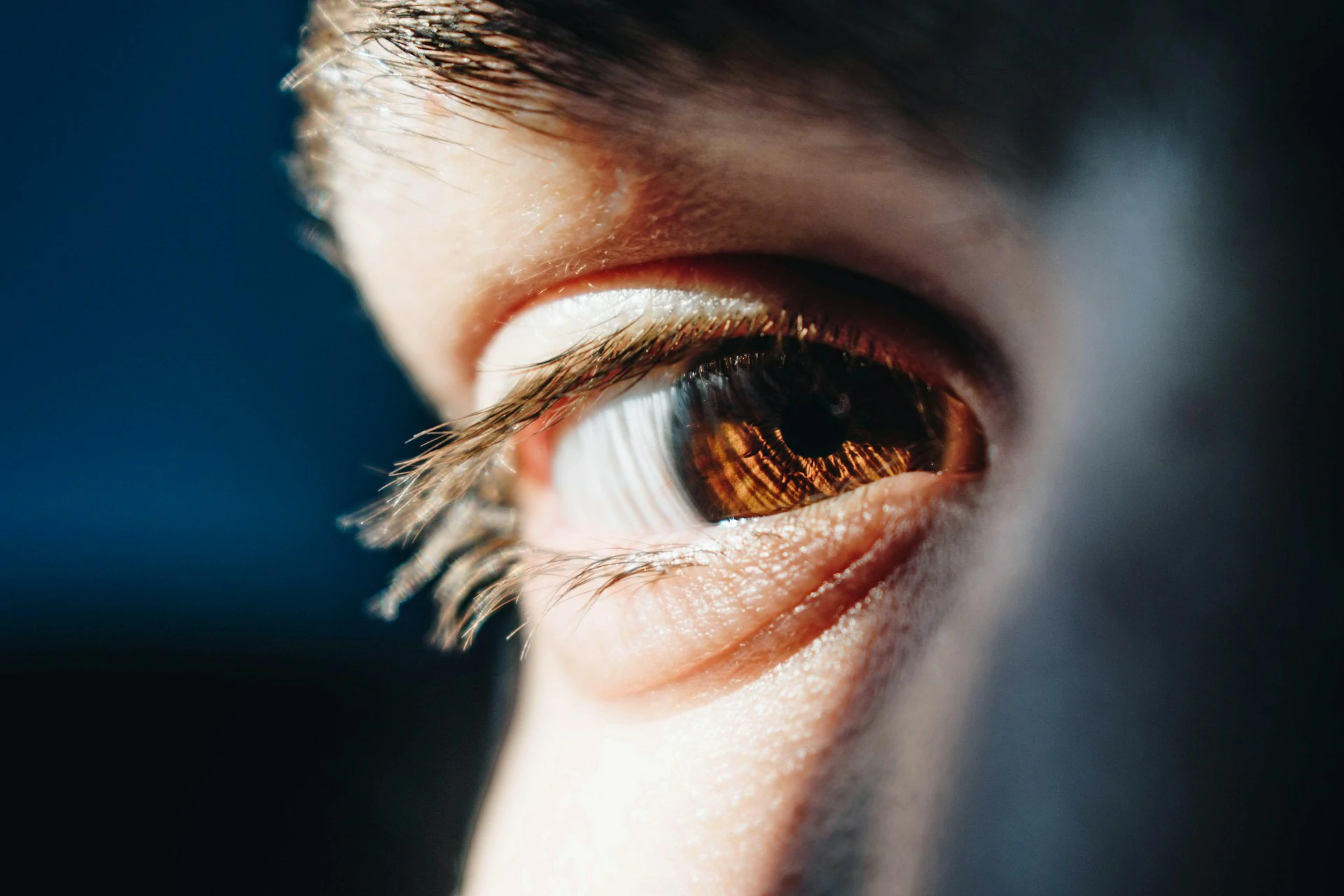
There is a particular moment, hard to pin down precisely, when a person feels closer than ever before to death or to the collapse of their own capacities. It is a strange threshold in a life, one where danger and possibility seem to stand side by side rather than opposed to each other. In that narrow space, questions that may never have been asked directly before begin to surface: questions about what this life has actually been for, about the choices that led here, about the relationships built, neglected, or quietly repaired along the way. These are not abstract questions in the moment they arrive. They press.
It helps, perhaps, to think of a diagnosis of a life-threatening illness as something like a stone dropped into the still surface of a lake. The water does not simply absorb the impact; it carries it outward, in rings that widen slowly until they reach every edge of the shore. Something similar seems to happen inside a person who receives this kind of news. The first contact is sharp and local, a single point of impact, but it rarely stays contained there. Thought, feeling, and reaction all begin to move outward from that same point, and over time the ripples can reach places one would not have expected: the way we speak with the people closest to us, the decisions we postpone or suddenly make, the shape of the future we had quietly been assuming, the small daily habits that once seemed too ordinary to notice. When the body becomes ill, or the mind does, the old question of what any of it means stops being a philosophical exercise and becomes something closer to urgent.
There is a truth worth stating plainly here, even if it is uncomfortable: to face a serious illness is to enter something like a battlefield, though not only the kind usually pictured. There is the visible struggle, the one lived out in daily life, in waiting rooms and difficult conversations, in the slow renegotiation of what an ordinary day can hold. But there is also another struggle, much smaller in scale and invisible to the person living through it, taking place inside cells and at the level of molecules, where something is genuinely contending with something else. No one gets to watch that struggle directly. Its consequences are felt instead, in fatigue, in uncertainty, in the demands it places on everything else.
It would be dishonest to claim that anyone knows, at the outset, where this particular road leads. That uncertainty is not a gap in information so much as a basic feature of the situation itself; no one facing difficult news about their health is handed, along with it, a map of how the story ends. What can be said, more cautiously, is that for those who pass through this experience, something in how they see themselves and their life afterward often changes, sometimes profoundly. Not always for the worse, and not in any single predictable direction, but changed nonetheless.
There is something worth sitting with in the idea that danger and opportunity could occupy the same moment. It is tempting to treat a health crisis purely as loss, as something that only takes away, and in an important sense that is true; much is taken, including, often, the comfortable illusion that time is unlimited. But the same rupture that strips away certainty can also strip away some of the noise that usually surrounds the question of what actually matters. In an ordinary, untroubled week, people rarely stop to ask themselves what their relationships really mean to them, or whether the choices filling their days reflect what they would say, if pressed, that they truly value. A threat to one's continued existence has a way of making such questions harder to keep postponing.
Among the things that rise to the surface in this kind of moment, relationships seem to occupy a particular place. The people we have stayed close to, the people we have drifted from, the conversations left unfinished, none of it disappears simply because it goes unexamined in ordinary life. Illness, or the fear that comes with it, has a way of bringing these unfinished threads back into view. It does not necessarily resolve them. It simply makes them visible in a way they were not before.
It may be worth being honest, too, about the limits of what can be said here. These are human questions, not technical ones, and they do not resolve into tidy answers simply because they have become urgent. The question of what a life means, when that life is suddenly under threat, does not come with a guaranteed response, comforting or otherwise. What seems true, cautiously, is that the question itself becomes harder to put off, and perhaps that alone is a consequence worth noticing, regardless of where any particular person's reflection eventually leads.
Whatever is happening at the molecular level, in a struggle no one can observe directly, the struggle lived at the level of thought, relationship, and daily choice is the one most of us will recognize as our own. We may not know, standing at the start of it, where either struggle leads. But there is reason to think, carefully and without overstating it, that those who come through it do not simply return to where they were before. Something in how they regard themselves, and the life they are living, can shift in a way that does not undo itself afterward.
Get new Perspectives by email
Thoughtful reflections on cancer, care, and the human experience.
Related Perspectives
Why Artificial Intelligence Cannot Truly Understand Human Suffering
Artificial intelligence can describe human suffering with remarkable fluency, but can it truly understand the fear, mortality, and vulnerability experienced by people facing cancer?