How Alcohol Raises Cancer Risk: What the Evidence Really Shows
From DNA damage to global cancer burden, here's what decades of research reveal about drinking and why no safe limit has been established.

Key Takeaways
- •Acetaldehyde, a toxic byproduct of alcohol metabolism, is classified as a human carcinogen and causes direct DNA damage.
- •Alcohol is strongly linked to cancers of the mouth, throat, voice box, esophagus, liver, colorectum, and breast.
- •Combining alcohol with tobacco use multiplies cancer risk in head and neck cancers rather than simply adding the two risks together.
- •Chronic alcohol use can lead to liver cirrhosis, which substantially raises the risk of liver cancer.
- •Even moderate drinking is associated with increased breast cancer risk, with risk tending to rise alongside the amount consumed over time.
- •A genetic variant in the ALDH2 gene, common in people of East Asian descent, causes acetaldehyde to build up and raises cancer risk, often signaled by a flushing reaction after drinking.
- •Major oncology organizations state that no level of alcohol consumption has been proven safe with respect to cancer risk.
- •A substantial share of cancer cases worldwide is statistically attributable to alcohol consumption, according to global burden modeling research.
For most people, a glass of wine at dinner or a beer with friends feels like an ordinary, even healthy, part of life. But the scientific record on alcohol and cancer has shifted from suspicion to settled fact over the past two decades. Large studies spanning different populations and cancer types now draw a consistent picture, even as some details, especially at the lowest levels of drinking, remain genuinely debated.
Why Scientists Consider Alcohol a Proven Cause of Cancer
When the body breaks down ethanol, the alcohol in beer, wine, and spirits, it produces a toxic byproduct called acetaldehyde. Acetaldehyde is not a minor chemical curiosity. It is classified as a human carcinogen in its own right, placed in the highest-certainty category reserved for substances with strong evidence of causing cancer in people, known as an IARC Group 1 carcinogen. That classification matters because it shifts the conversation from correlation to a biologically understood cause. Acetaldehyde can attach to DNA and distort its structure, and that kind of molecular damage, left unrepaired, is exactly the sort of error that can set a cell on the path toward cancer.
The Cancers Most Consistently Linked to Alcohol
Not every cancer is linked to alcohol equally strongly, but several associations are well established. Cancers of the mouth, throat, voice box, and esophagus show some of the clearest connections, and a large pooled analysis of head and neck cancer studies found that risk rises sharply with drinking. That same analysis found something important for people who smoke: tobacco and alcohol do not simply add their risks together. Combined, they appear to multiply each other's effects, producing far higher risk than either exposure alone, which helps explain why these cancers cluster so heavily in people who both smoke and drink.
Alcohol's relationship with breast cancer is subtler but still well documented. A large long-term cohort study found that even moderate drinking, amounts many people would not think twice about, was associated with a measurably higher risk of breast cancer over time. This is one of the areas where the data show a dose-response relationship: the more alcohol consumed over the years, the higher the risk tended to climb, with no obvious cutoff below which risk disappeared entirely.
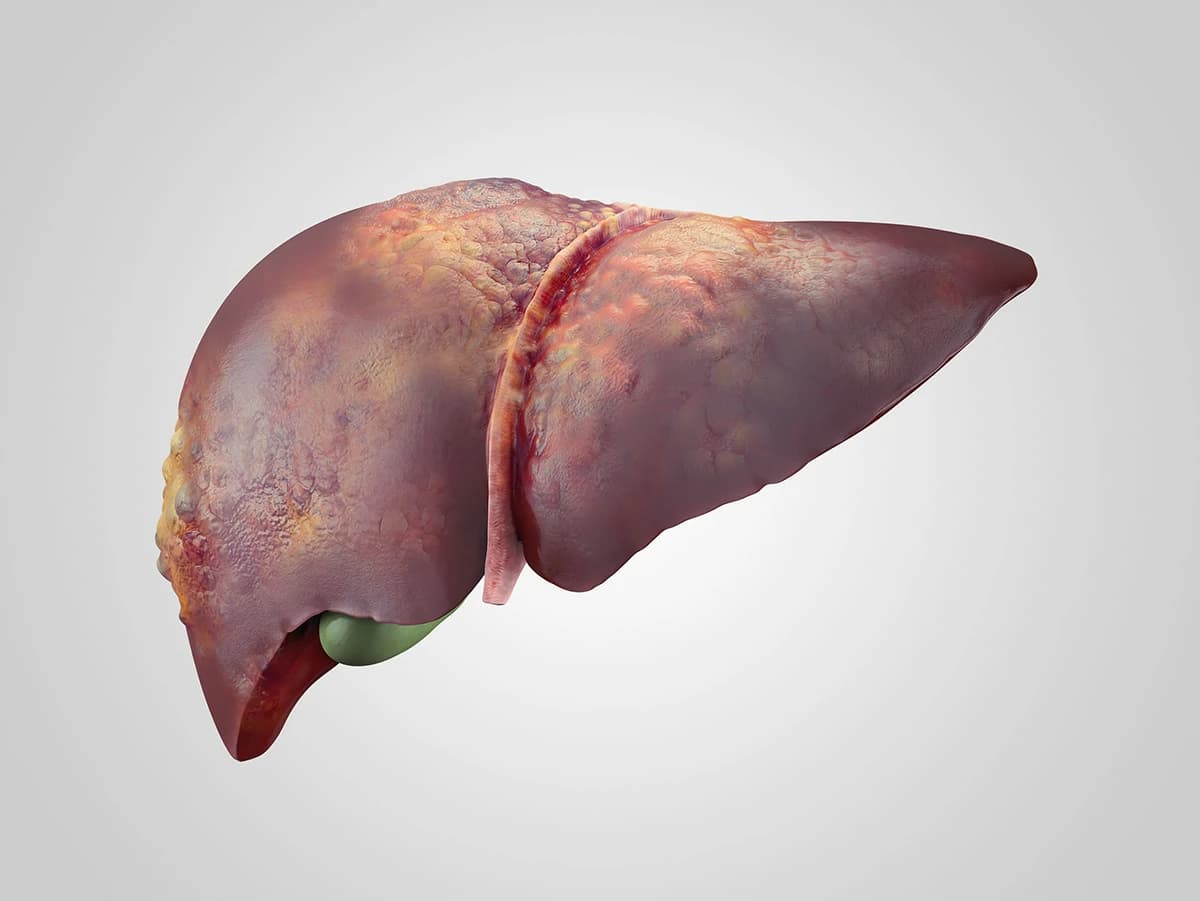
The liver is a special case, because alcohol's damage there builds over years. Chronic heavy drinking can lead to cirrhosis, severe long-term scarring of liver tissue, and cirrhosis substantially raises the risk of liver cancer developing within that damaged organ. Mechanistic work by Helmut Seitz and Felix Stickel described how this progression from repeated liver injury to scarring to cancer forms one of the clearest biological chains in alcohol-related disease. Separately, meta-analyses pooling many studies have also linked alcohol consumption to colorectal cancer, with risk again tending to rise alongside the amount consumed.
How Alcohol Damages Cells: The Mechanisms Behind the Statistics
The statistical associations above are backed by a handful of biological explanations, and they are not mutually exclusive; several likely act together inside the body. Acetaldehyde-driven DNA damage is the most direct route, chemically altering genetic material in ways that can lead to mistakes during cell division. Alcohol metabolism also generates oxidative stress, an overload of unstable molecules that damage cells faster than they can repair themselves, compounding the harm.
A less intuitive mechanism involves nutrition. Alcohol disrupts one-carbon metabolism, the network of reactions that uses folate and related nutrients to build and repair DNA correctly. When that system is thrown off balance, cells lose some of their normal capacity to copy and fix their own genetic code. In breast tissue specifically, alcohol also appears to raise circulating estrogen levels, and since estrogen can fuel the growth of certain breast tumors, this hormonal effect may help explain why breast cancer risk rises even at modest intake.
Why Some People Face Higher Risk Than Others
Not everyone metabolizes alcohol the same way, and that difference has real consequences. A gene called ALDH2 makes the enzyme responsible for clearing acetaldehyde out of the body efficiently. A common genetic variant, found especially often in people of East Asian descent, produces a version of this enzyme that works poorly, causing acetaldehyde to build up after drinking. This buildup is why some people experience the well-known facial flushing reaction after even small amounts of alcohol, and research has linked that same enzyme deficiency to substantially elevated esophageal cancer risk among people who drink despite carrying it. The flushing reaction, far from being a harmless quirk, appears to be a visible signal of the same carcinogenic chemistry happening more intensely.
Is There a Safe Amount? What Oncology Groups Say
This is where the science resists a tidy answer. Major oncology organizations, including the American Society of Clinical Oncology, have issued formal statements concluding that no level of alcohol consumption has been clearly established as safe with respect to cancer risk. That does not mean every drink carries equal danger; risk clearly rises with quantity and duration of use. But researchers have not identified a reliable floor below which cancer-related risk drops to zero. For cancers like breast cancer, evidence of harm even at moderate intake is part of why that threshold has been so difficult to pin down. This remains an area of active scientific discussion, particularly regarding very light or occasional drinking, where the absolute increase in individual risk is small even if it is not zero.
The Scale of the Problem Worldwide
Individual risk estimates can feel abstract, so researchers have also tried to measure alcohol's toll across entire populations. A 2021 global modeling study estimated the attributable fraction of cancer cases worldwide that could be statistically linked to alcohol consumption, concluding that a substantial number of cancer cases and deaths each year are tied to drinking. Harriet Rumgay and colleagues, who led that analysis, found the burden fell unevenly across regions and was driven disproportionately by heavier drinking patterns, though even moderate consumption contributed meaningfully to the total.
What This Means for Thinking About Risk
Put together, the evidence describes alcohol not as a single-cancer hazard but as a broadly acting carcinogen whose effects compound with other exposures, especially tobacco, and accumulate with years of use. The biology explaining why is reasonably well understood, even if the precise risk at the lowest levels of drinking is still being refined. What is not in question is the overall direction of the relationship, or the fact that the organizations responsible for cancer prevention guidance have already concluded there is no demonstrated safe floor. The open questions now sit at the margins, not at the center.
Common Questions
References
- Helmut K. Seitz, Felix Stickel (2007). Molecular mechanisms of alcohol-mediated carcinogenesis
- Wendy Y. Chen, Bernard Rosner, Susan E. Hankinson, Graham A. Colditz, Walter C. Willett (2011). Moderate Alcohol Consumption During Adult Life, Drinking Patterns, and Breast Cancer Risk
- (2007). Alcohol drinking in never users of tobacco, cigarette smoking in never drinkers, and the risk of head and neck cancer: pooled analysis in the International Head and Neck Cancer Epidemiology Consortium.
- (2011). Alcohol drinking and colorectal cancer risk: an overall and dose-response meta-analysis of published studies.
- Harriet Rumgay, Kevin Shield, Hadrien Charvat, Pietro Ferrari, Bundit Sornpaisarn, Isidore Obot, Farhad Islami, Valery E P P Lemmens, Jürgen Rehm, Isabelle Soerjomataram (2021). Global burden of cancer in 2020 attributable to alcohol consumption: a population-based study
- Philip J Brooks, Mary-Anne Enoch, David Goldman, Ting-Kai Li, Akira Yokoyama (2009). The Alcohol Flushing Response: An Unrecognized Risk Factor for Esophageal Cancer from Alcohol Consumption
- Noelle K. LoConte, Abenaa M. Brewster, Judith S. Kaur, Janette K. Merrill, Anthony J. Alberg (2018). Alcohol and Cancer: A Statement of the American Society of Clinical Oncology
Team Review: This article has been reviewed by Canceria Research Team